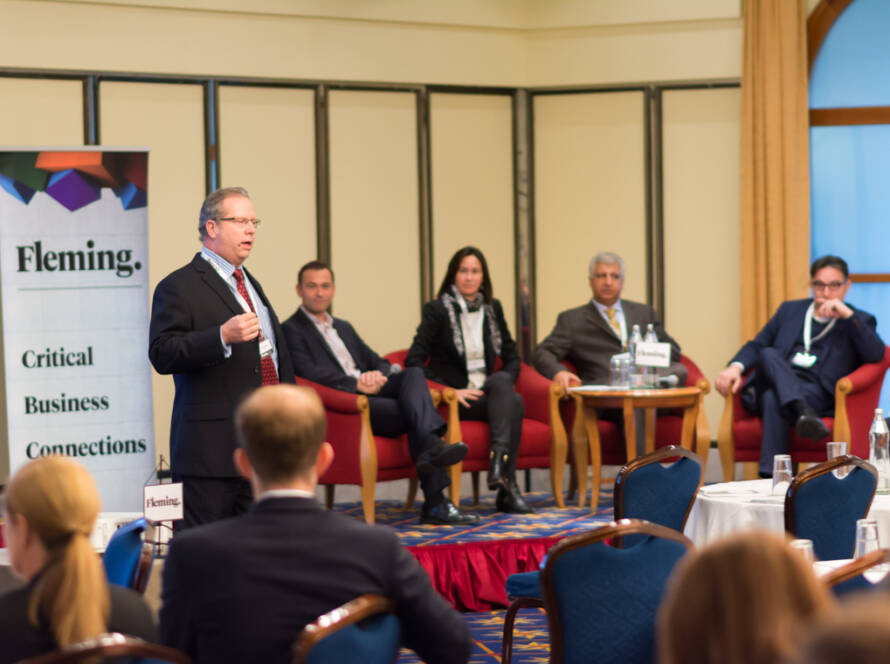
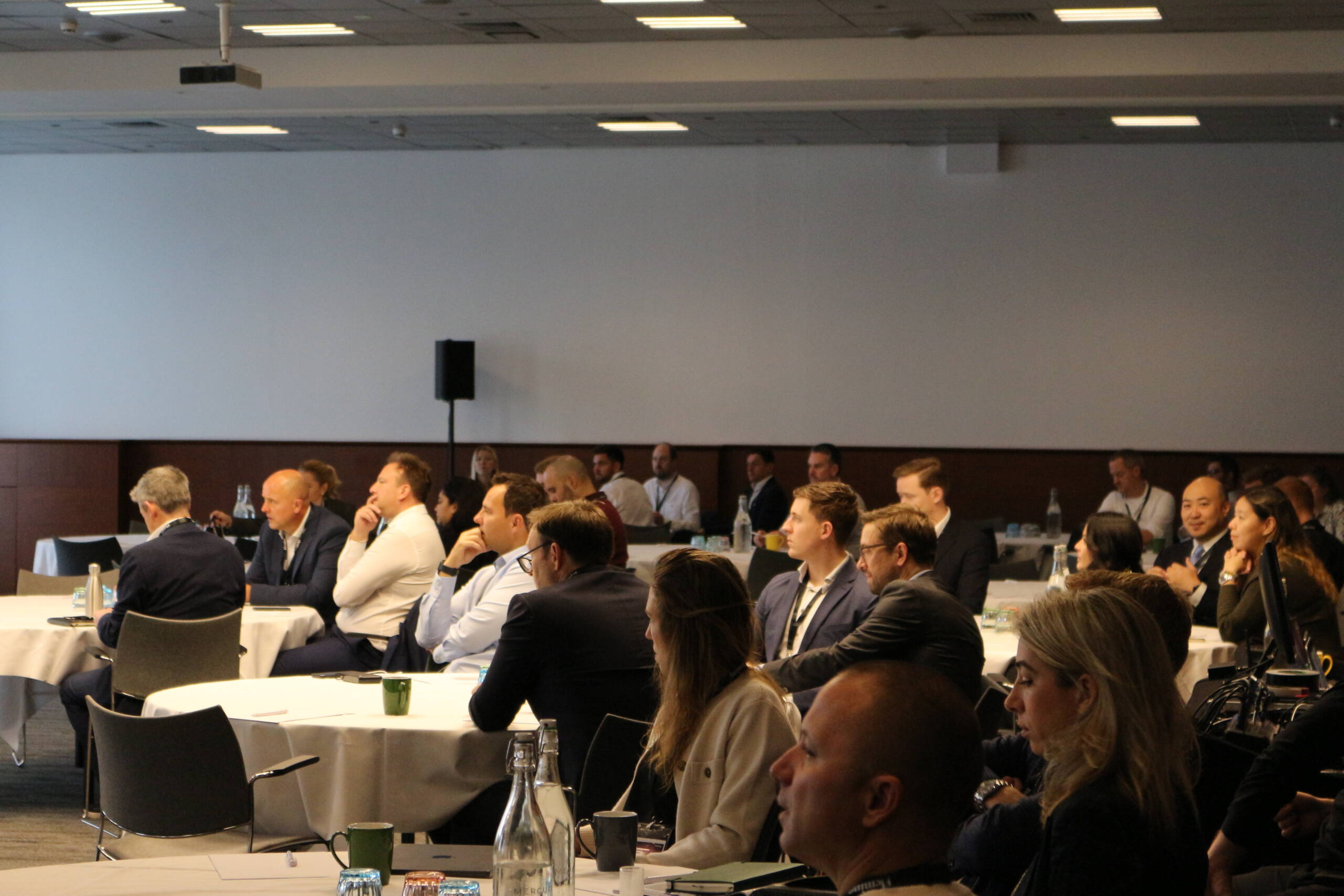
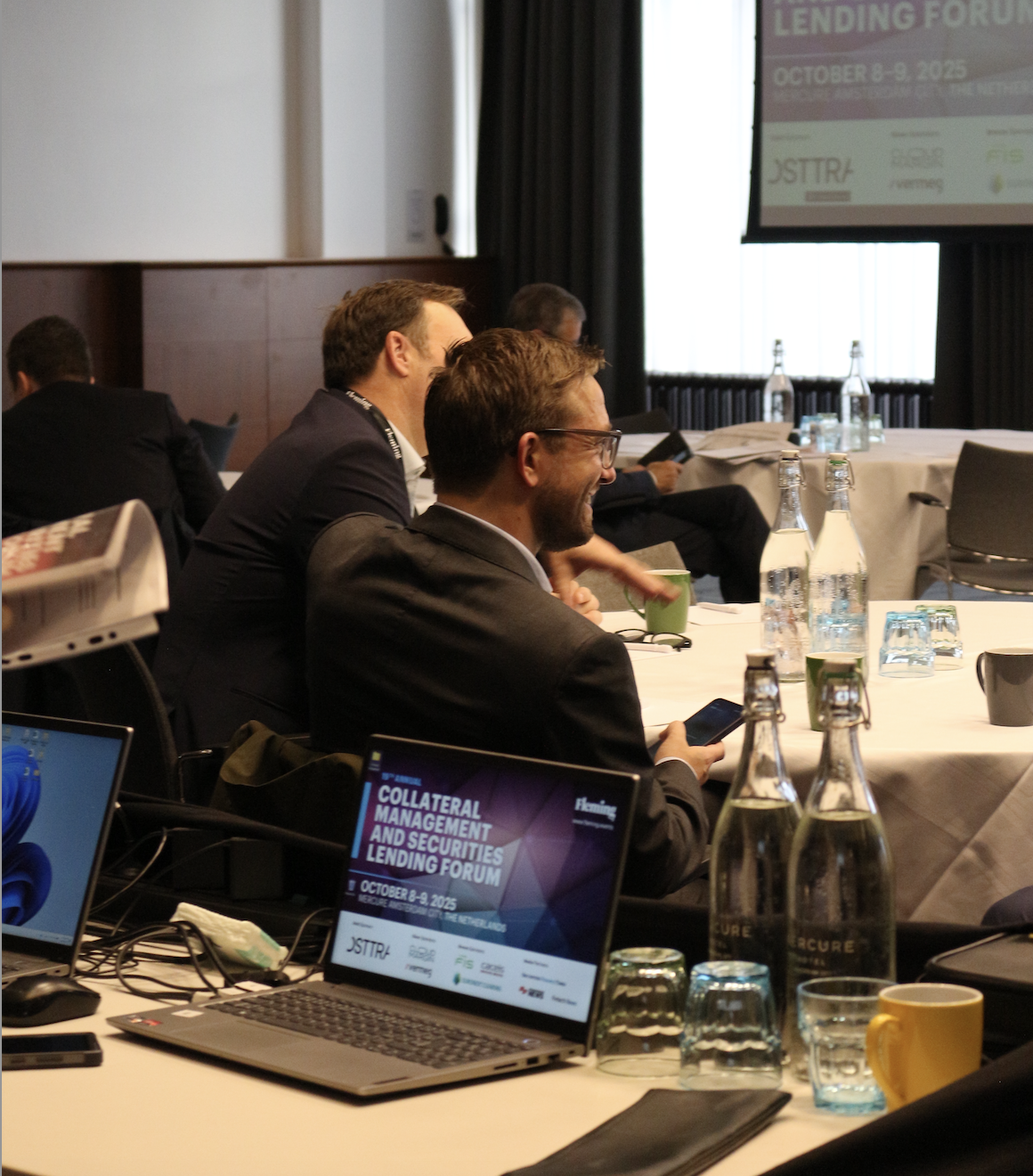
The 19th Annual Collateral Management & Securities Lending Forum took place in Amsterdam, October 8-9, 2025, and gathered many senior professionals from Europe’s financial infrastructure to address the industry’s most pressing transformation: the simultaneous implementation of T+1 settlement, AI-driven optimization, and stricter liquidity requirements. Over two days, 20+ speakers from regulatory bodies, major banks, and asset managers delivered concrete case studies, revealed implementation timelines, and debated solutions to challenges that remain largely unresolved.
Day One: European Collateral Management and T+1
Giovanni Sabatini walked onto the stage Wednesday morning with a message the audience didn’t want to hear but needed to: The decision to move to T+1 is taken and irrevocable. Start preparing now.
As Independent Chair of the EU T+1 Industry Committee, Sabatini wasn’t there to debate whether T+1 made sense. He was there to explain the governance structure, the cooperation with UK AST, and the work plan ahead. But he also made it clear: It’s strategic, and it’s exponentially more complex for the EU than it was for the US or UK.
Later, Ali Affan, a buy-side securities lending specialist, walked through the operational nightmare from the back-office perspective. SSI standardization—those Standing Settlement Instructions that make or break cross-border trades—remains a mess. Cross-border settlements face brutal time-zone challenges. And awareness training? Critically underfunded across most institutions.
“I found the forum very interesting, very focused, and it was a very good knowledge. The presenters were very knowledgeable. They shared a lot of knowledge and discussed their concerns, which are very, very important concerns that need to be addressed to improve the collateral management secures landing industry of are currently working on. So, either by side or cell side, I think the forum represented the whole picture of the industry; the participants coming from different backgrounds were quite diversified. And the one thing, one thing which is common is the passion of every participant to come along and work together, as in industry, rather than not working in silos. So, it’s a very, very positive event, and I’m looking forward, and I thank you, Fleming and the whole team for arranging for organizing such an interesting event.”
— Ali Affan, Securities Lending, Repos, Collateral & Liquidity, Financial Regulations and Counterparty Risk Specialist, AXA Investment Managers
The opening panel set the tone for everything that followed. Yama Darriet from Euronext Clearing, Mark Higgins from BNY Mellon Markets, and Antonio Zavettieri from Banco BPM dissected where the European repo and collateral market structure is actually heading, not where white papers say it should go. The panel didn’t pull punches. They talked about the US clearing mandate rippling through European markets, regulatory changes hitting firms unprepared, and whether technology could actually deliver the market resilience everyone keeps promising.
“The forum is very interesting because we can stop our ordinary activities and work together with other people in the industry and consider also to have a view on what in the future we have to face and to work around the challenges that we see, we speak a lot of T+1, but also the future of the CCPs in the Repo environment, and so it’s very interesting to have a lot of opinion on these, and to have a clear view from the association that work around the topic, and also from other institutions like the European commission and so it’s very, very useful.”
— Antonio Zavettieri, Finance Head of Collateral Management, Banco BPM
The Regulator Speaks: Sebastijan Hrovatin’s Reality Check
When Sebastijan Hrovatin from the European Commission took the stage to discuss Post-trade in a Savings and Investment Union, the room went quiet. As Deputy Head of Unit for Financial Market Infrastructure, Hrovatin helps shape the rules.
His presentation connected dots that most firms treat as separate problems: the push for a Consolidated Tape in fixed income, the growing scrutiny of non-bank financial institutions, the persistent mystery of why EU repo markets remain “unknown and unloved,” and how shorter settlement cycles fit into the Commission’s broader capital markets agenda.
Later, he joined a panel with John Allan and Olivier Zemb from CACEIS to tackle securities lending’s future in a changing market. The discussion became pointed when they addressed fintech and retail investors entering the space, and what evolving regulatory scrutiny on non-banks actually means in practice. Digital transformation sounds great in principle; interoperability remains a nightmare in execution.
Earlier that morning, Godfried De Vidts from ICMA had opened the entire forum with a provocation: “Are We Ready for the Next Financial Crisis?” His assessment wasn’t optimistic. The EC Savings & Investment Union has momentum, but gaps in repo market transparency and infrastructure persist. Regulatory tools for managing systemic risk from non-bank financial institutions are still insufficient.
AI Gets Real: From Hype to “Co-Pilot”
By midday Wednesday, the conversation shifted to what everyone had been waiting for: artificial intelligence in collateral management. But this wasn’t your typical vendor demo showcasing theoretical capabilities. Speakers delivered use cases, limitations, and honest assessments of where AI actually works today.
Jana Uehlecke and Greta Graziani from OSTTRA presented “Unlocking Value: The Evolution of Collateral Management from Operations to Optimization.” They walked through automation and straight-through processing, dispute management workflows that have cut resolution times from days to hours, and explained why understanding your data quality matters before you attempt any optimization. Their margin forecasting improvements through machine learning came with actual performance metrics, not promises.
Then Asma Belgaied Hassine from VERMEG delivered what became one of the forum’s most talked-about sessions: “Beyond Automation: Using AI as a Co-Pilot for Complex Collateral Decisions.” She wasn’t claiming AI would replace collateral managers. She positioned it as a co-pilot, a tool that supports dispute resolution by analyzing historical patterns, assists with optimization while balancing liquidity and risk, and provides algorithmic, strategy-aware collateral allocation that adapts in real-time. It was practical, specific, and refreshingly honest about AI’s current limitations.
David White from CloudMargin tackled another pressing issue: managing margin and collateral when markets go sideways. His presentation on adapting to rapid market fluctuations emphasized something simple but critical: you need complete, accurate, real-time risk views. Without that foundation, everything else fails. He discussed enhancing liquidity through larger, more diverse collateral pools and the infrastructure required to support millisecond-level decision-making.
Day Two: Buy-Side Gets Brutally Honest
“I’m here for the second time. I think it’s very good here to connect to other people to hear about other solutions or be informed about how the industry will go on and where we will be in the next years.”
— Bastian-Alexander Steckhan, Senior Vice President – Trade Operations & Process
Management, Assenagon Asset Management S.A.
Bastian-Alexander Steckhan explored a more technical topic on Algorithmic Collateral Optimization, diving into operational risk factors in equity collateral management, the collateral implications of US T+1 settlement that are already hitting European books, and how to evaluate portfolios through a collateral lens. His discussion of preventing settlement failures via automated substitutions drew nods from operations managers who deal with these failures weekly.
His presentation was followed by a “strategic debate” on buy-side collateral management challenges and solutions. Then it turned into a more valuable dialogue when panelists answered the Q&A session questions.
Frank Jetten from MN, Frank van de Kant from PGGM, and Bastian-Alexander Steckhan from Assenagon Asset Management didn’t sugarcoat their operational pain points. Resource constraints. Data standardization delays. Vendor lock-in risks. Training gaps that leave operations teams perpetually behind the technology curve. They described the daily frustrations of firms that don’t have Goldman Sachs budgets or JPMorgan headcount. And they were being voiced in a room full of the vendors who sell those expensive solutions.
“It was a really interesting event. I think 2 days, interesting speakers, good panels, and also the meetings during the breaks and the coffee together. So yeah, next time again.”
— Frank Jetten, Senior Collateral & Securities Lending Manager, MN
Liquidity: The Intraday Problem Nobody Talks About
Heiko Cassens from EY ifb delivered a session that should have worried more people than it did: Reducing Funding Cost Through Intraday Liquidity Optimization. He laid out market dynamics driving intraday liquidity and collateral management requirements, provided an industry overview of how firms are implementing the ECB Guidelines from November 2024, and explained why integrated real-time architecture for liquidity and collateral management is existential.
Automation and AI-based tools for intraday liquidity management exist. The question is whether firms can actually deploy them before the next liquidity crisis.
Cleared Repo and Market Access: The Practical View
Alexander Jacobs from ABN AMRO tackled a question many buy-side firms are wrestling with: when does accessing the cleared repo market actually make sense? He broke down regulatory incentives and clearing mandates, explained when cleared repo becomes economically attractive, and walked through the operational differences between bilateral and cleared repo that matter in practice, not just in theory. For buy-side institutions considering the jump, he outlined multiple access models, each with trade-offs that legal, operations, and treasury teams need to understand.
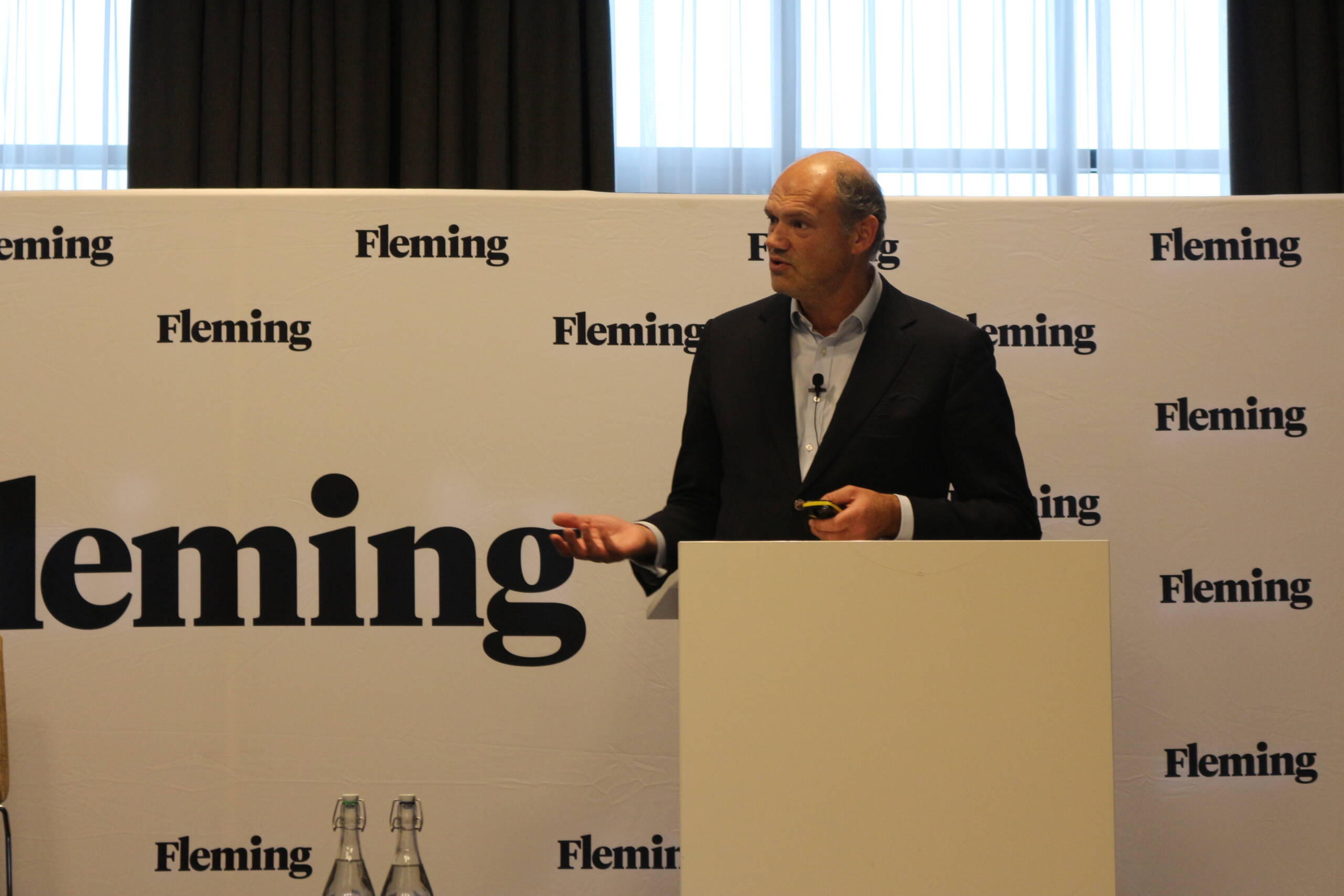

The energy and commodity space got its moment when Markus Konz from Marex presented on Collateralization of EUR Margin Risks. His focus on active accounts regulation, market access challenges across different infrastructure layers, and the specific margin and collateralization mechanics in energy and commodity markets highlighted a corner of collateral management that’s becoming increasingly critical as these markets transform.
The Value of Showing Up at the Collateral Management Forum
Many professionals from across Europe took time away from their desks:
- 45% were Heads and Directors,
- 55% C-level and VPs, the rest are managers deep in the operational trenches.
There were delegates from the buy-side, sell-side, and regulatory institutions at the Collateral Management Forum:
- 68% – Western Europe,
- 20% – Central and South Europe,
- 12% – Northern Europe
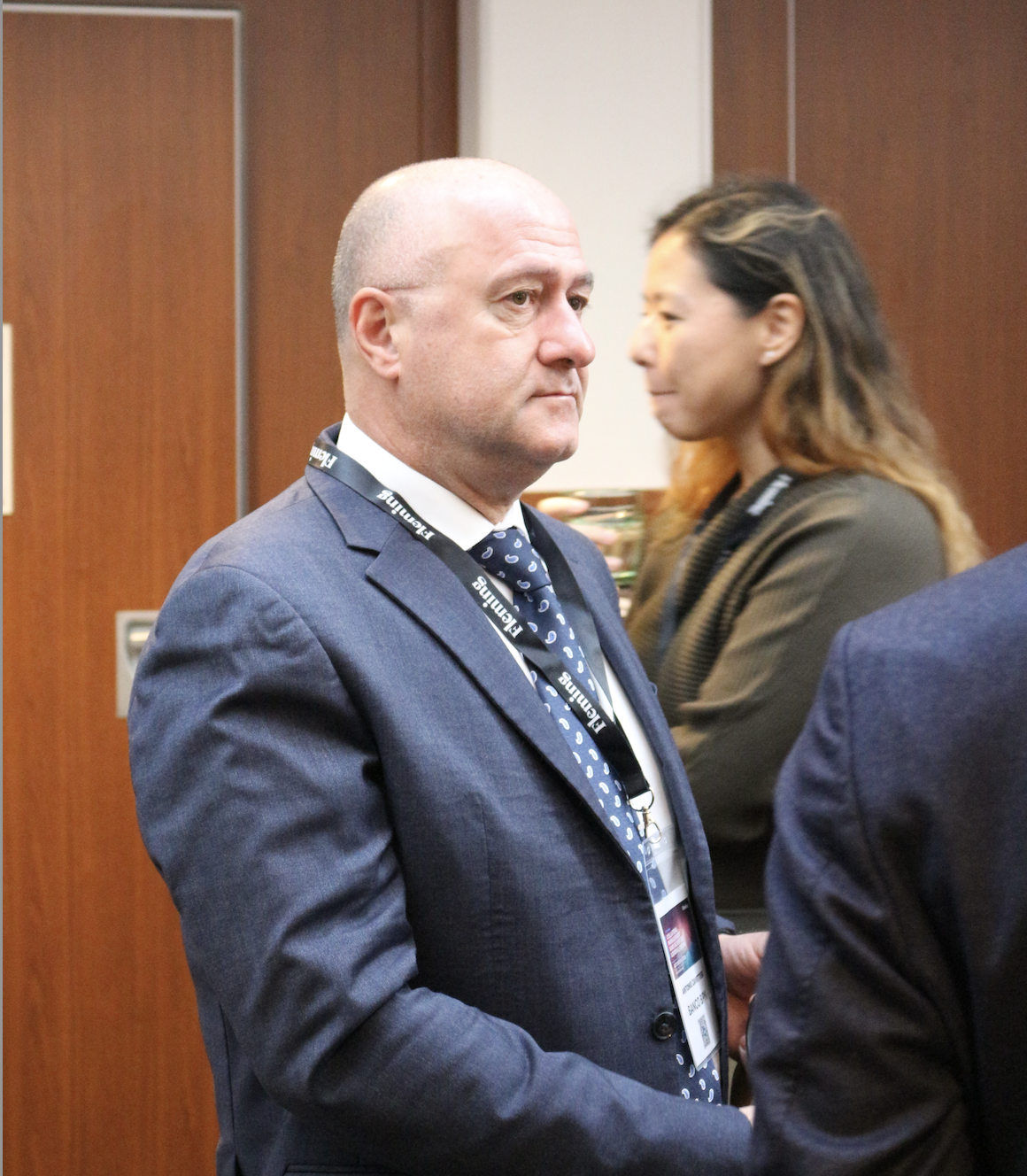
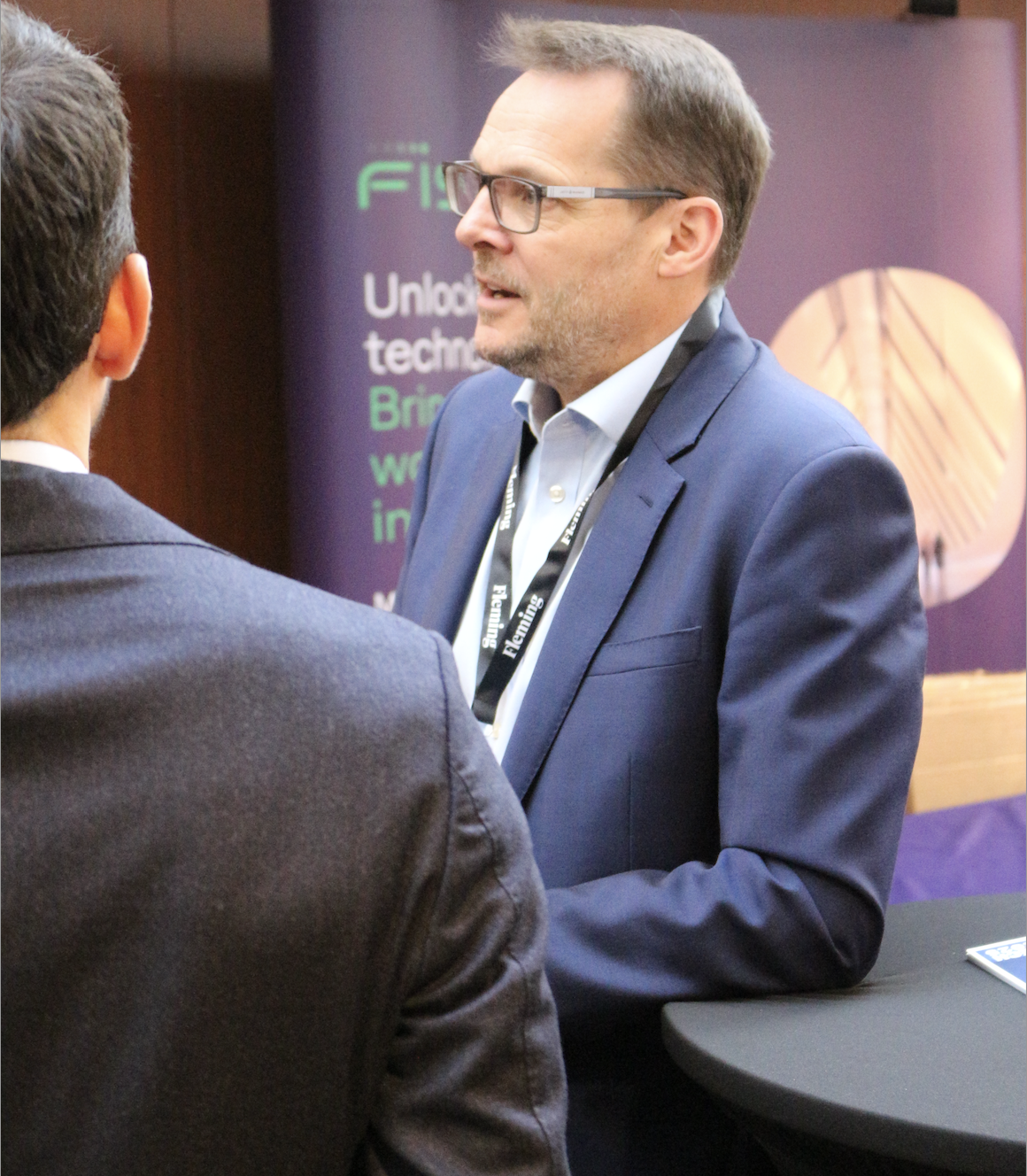
In a world of Zoom calls and webinars, they flew to Amsterdam because some conversations only happen face-to-face. The kind where a buy-side manager admits they’re not ready for T+1. Where a vendor quietly concedes their AI tool works best with clean data nobody actually has. Where a regulator acknowledges that the rules might be moving faster than the industry can adapt.
The 2025 Collateral Management Forum demonstrated that the industry stands at an inflection point. T+1, AI integration, and liquidity optimization are immediate operational imperatives with unclear paths to implementation that were clarified during the forum.
The forum’s value also lies in creating transparent dialogue about shared challenges. When regulators, practitioners, and technology providers debate openly, the industry moves toward pragmatic solutions rather than theoretical ideals.
Some critical questions remain unresolved, resource constraints persist, and smaller institutions face existential challenges. The 2026 forum will reveal whether the optimism expressed in Amsterdam translates into measurable progress or whether the industry’s ambitions exceed its execution capabilities.
The 20th Annual Collateral Management and Securities Lending Forum will take place in October 2026.
For further information and registration check our website or follow us on LinkedIn for the latest updates and insights.