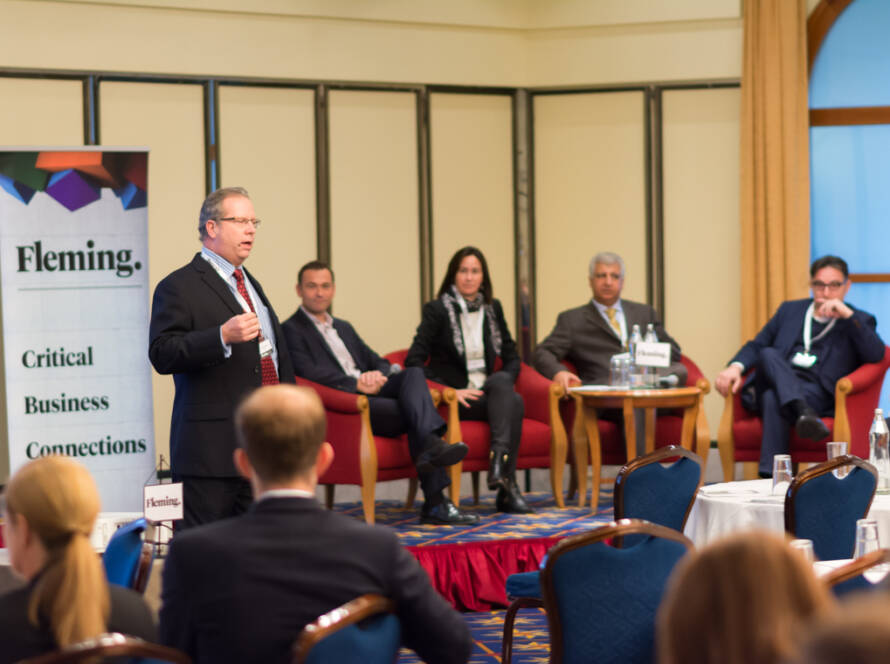
From T+1 settlement and liquidity risk to tokenisation and the future of securities lending, the 20th Annual Collateral Management & Securities Lending Forum brought together financial industry professionals to examine the challenges shaping collateral management over the coming years.
Held on 21–22 October 2026 at Novotel Amsterdam Schiphol Airport, Fleming’s forum marked its 20th edition with two days of presentations, panel discussions and networking. Representatives from State Street, DZ Bank, BBVA, ABN AMRO, Mizuho Bank Europe, Standard Bank, Helaba Invest, the European Commission, BaFin and other institutions contributed perspectives from across the financial markets.
The event brought together professionals working in collateral management, securities lending, repo trading, treasury, risk management and financial market infrastructure. With strong engagement throughout the programme, the discussions reflected the range of operational and strategic challenges facing the industry. Several topics stood out, particularly the transition to shorter settlement cycles, the growing importance of collateral in balance sheet management and the practical requirements for introducing new technologies into established financial market processes.
T+1 Settlement: Preparing for a Faster European Market
Europe’s transition towards T+1 settlement was a major focus of the forum. Shortening the settlement cycle creates operational challenges for institutions involved in securities lending, repo and collateral management. Securities recalls, collateral transfers and settlement exceptions all need to be handled within tighter timeframes, leaving less room for delays or manual intervention.
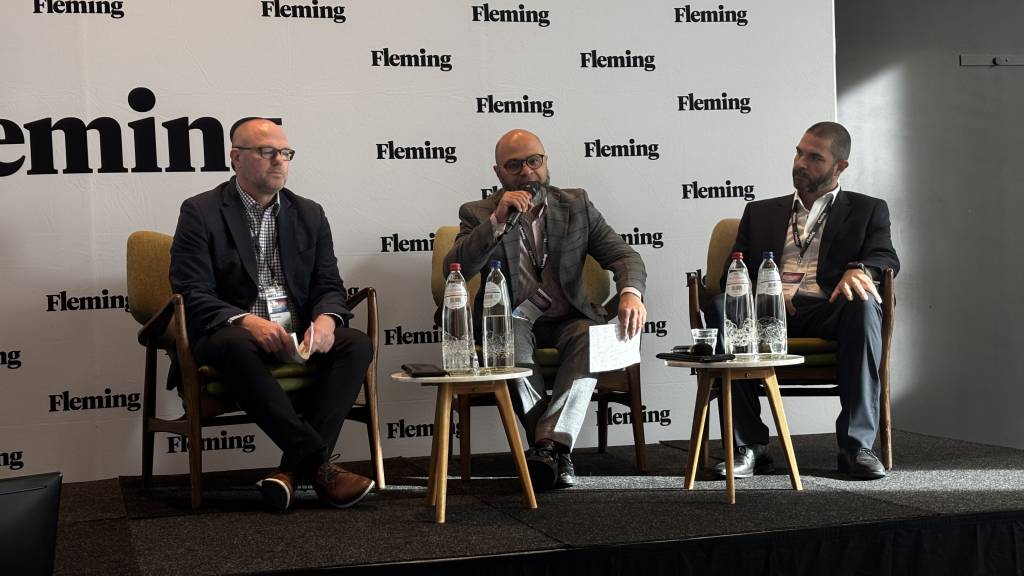
During the panel “Europe’s Collateral Market in a T+1 World – Ready or Not?”, Tony Holland from ISLA, Ali Affan, Buy-side Securities Lending Specialist, and Stoil Topalov from BBVA examined operational readiness and the dependencies between market participants. One of the important issues on the agenda was collateral velocity: how quickly collateral can be identified, mobilised and delivered to meet settlement obligations.
Readiness also extends beyond individual institutions. Custodians, counterparties and settlement infrastructure providers need to support the same compressed settlement cycle. A process improvement within one organisation has limited value if other participants cannot operate at a comparable speed. Ali Affan’s presentation on moving from T+1 readiness towards T+0 extended the discussion to automation, real-time processing and intelligent exception management.
Collateral Is Becoming a More Important Balance Sheet Resource
Another central topic was the relationship between collateral management, liquidity and broader financial strategy.
The opening panel, “The Future of Collateral – Strategic Asset or Pure Utility?”, brought together Oliver Deutscher from DZ Bank, Livio Cianciarulo from Raiffeisen Schweiz Genossenschaft and Huashan Zhang from Mizuho Bank Europe. The panel explored how institutions can align collateral decisions with their funding and investment strategies, particularly when regulatory requirements or market stress affect asset availability.
This strategic perspective was also reflected in the presentation by Tihomir Bublic, Head of Asset Liability Management at Hrvatska Poštanska Banka. His session examined collateral as an Asset Liability Management (ALM) tool, including the relationship between collateral pools and liquidity buffers, the impact on LCR and NSFR, and the cost of encumbering assets.
These considerations matter because the cost of collateral extends beyond the market value of the securities involved. Funding spreads, opportunity costs and interest rate exposure can all influence the financial outcome of a collateral decision. Improving coordination between ALM, Treasury and collateral management teams was another important area of focus. For banks, a more complete view of collateral inventory and intraday liquidity requirements can support better-informed allocation decisions. Achieving that visibility remains an operational challenge where data and responsibilities are distributed across separate departments.
Regulation, Clearing and the Changing Repo Market
The forum also examined developments in European financial regulation and their implications for market participants. Sebastijan Hrovatin from the European Commission provided a session dedicated to the Savings and Investments Union, while Diego Valiante, also from the European Commission, addressed macroprudential oversight in the era of non-bank financial intermediation. Together, these topics placed collateral management within the wider conversation about European market integration, financial stability and interconnected risks.
Changes in the repo market received particular attention. Stoil Topalov, Executive Director, Global Markets at BBVA, explored the role of repo in monetary policy transmission and the different approaches taken by the Federal Reserve, European Central Bank and Bank of England. For institutions managing international financing portfolios, differences in monetary policy frameworks and regulatory requirements create additional complexity.
Alexander Jacobs, Head of OTC Clearing at ABN AMRO, addressed the rise of cleared repo and the implications of the US Treasury clearing mandate. Central clearing affects how repo transactions are processed and how margin obligations are managed. It also raises questions about clearing access, operational arrangements and the economics of financing transactions. Looking ahead, market participants will need to assess how settlement changes, clearing requirements and evolving regulatory frameworks affect their financing activities across jurisdictions.
Digital Collateral and Tokenisation: The Challenge of Practical Adoption
Digital assets and distributed ledger technology (DLT) featured prominently during the second day of the conference. Although tokenisation has attracted significant industry attention, financial institutions still face practical questions about how digital collateral can operate within established market structures.
Carruthers K. Dzramedo, Vice President – Alpha Professional Services at State Street, examined the progress made in blockchain and collateral transformation, alongside the difficulties of achieving wider adoption. The regulatory perspective was represented by Stephan Mögelin from BaFin, whose session considered tokenised financial instruments, DLT-based market infrastructures and the EU DLT Pilot Regime.
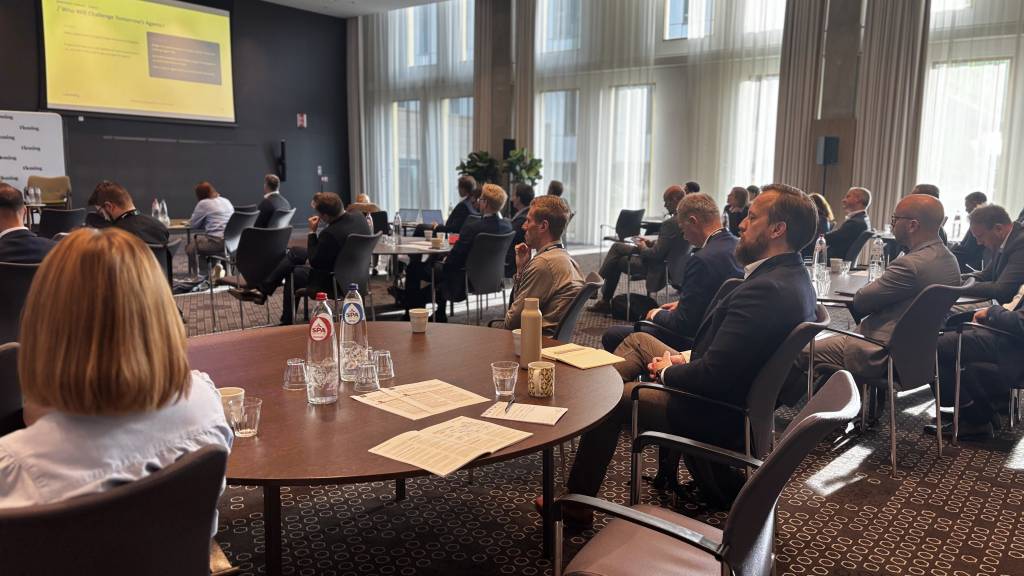
Paolo Di Stefano from the Frankencoin Association introduced another perspective through research into DLT-based lending protocols, examining how decentralised systems manage collateral risk, pricing and liquidation. These sessions highlighted several questions financial institutions will need to address before moving beyond limited applications of tokenisation. Digital collateral must be supported by reliable valuation mechanisms, clear legal arrangements and settlement processes that institutions can use with confidence. The next phase of development will depend on how effectively these requirements can be incorporated into real financial market operations.
Securities Lending: Reviewing Business Models and Profitability
The future of securities lending was another important subject at the Forum. The panel “The Future of Securities Lending – Reinvention or Decline?” brought together Julien Berge from CACEIS and Oliver Deutscher from DZ Bank. The discussion examined the long-term viability of securities lending, the economics of existing business models and opportunities for new approaches.
Profitability in securities lending depends on several factors beyond lending fees, including collateral costs, counterparty arrangements and the operational resources needed to manage transactions. The buy-side perspective was represented by Samuel Choudhury from Helaba Invest and Frank Jetten from MN, who explored collateral efficiency across asset classes and the importance of incorporating collateral costs into investment decisions.
Massimo Salerno from Cecabank also addressed securities finance operating models, including bilateral versus agency arrangements and the choice between cash and non-cash collateral. These topics are particularly relevant for institutions reviewing whether their existing securities lending arrangements remain suitable for changing market conditions.
Two Days of Industry Exchange
Beyond the technical sessions, the 20th edition of the forum provided an opportunity for professionals from different areas of financial services to exchange perspectives. Presentations and panel discussions brought together viewpoints from banks, asset managers, regulatory institutions and market infrastructure specialists. The programme also included dedicated networking opportunities and the Connect & Create Networking Reception, giving participants space to continue conversations outside the conference sessions.
Reflecting on the event, Carruthers K. Dzramedo from State Street described two days of engaging, thought-provoking discussions with industry colleagues. He particularly valued the opportunity to share ideas, hear different professional perspectives and participate in conversations with peers.
His feedback captured an important part of the forum’s value: bringing together people who approach collateral management from different operational, commercial and regulatory perspectives.
Looking Towards 2030: Building the Next Generation of Collateral Operations
The closing panel, “Building the Next-Generation Collateral Operating Model,” brought together Andreas Senft from Chartered Investment, Bastian-Alexander Steckhan from Assenagon Asset Management and Armin Blum from KfW. The panel looked towards 2030, examining how financial institutions can develop collateral operating models that better connect treasury functions, technology and day-to-day collateral operations.
The agenda also addressed the potential role of AI agents in collateral management through a presentation by Asma Belgaied Hassine from Vermeg, including how human oversight and automated decision-making may work together in future operations. Across these discussions, a common operational challenge emerged: institutions need to prepare for greater demands on collateral availability, processing speed and decision-making while maintaining appropriate control over risk. That preparation involves improvements to data availability, process design and coordination between teams, as well as the careful assessment of new technologies.
Preparing Collateral Management for the Next Market Cycle
The 20th Annual Collateral Management & Securities Lending Forum offered an opportunity to examine the direction of an industry facing significant operational and structural change. The discussions covered immediate priorities such as T+1 settlement, intraday liquidity management and securities lending efficiency, alongside longer-term developments in digital collateral, automation and future operating models. Financial institutions will face different challenges depending on their business models, but the need to manage collateral efficiently while adapting to regulatory and technological changes remains widely relevant.

A sincere thank you from Fleming team to all our speakers, panellists, delegates, sponsors and media partners for contributing to the 20th edition of the forum. We appreciate the knowledge shared, the professional discussions and the opportunity to connect with colleagues from across the industry.